All Articles
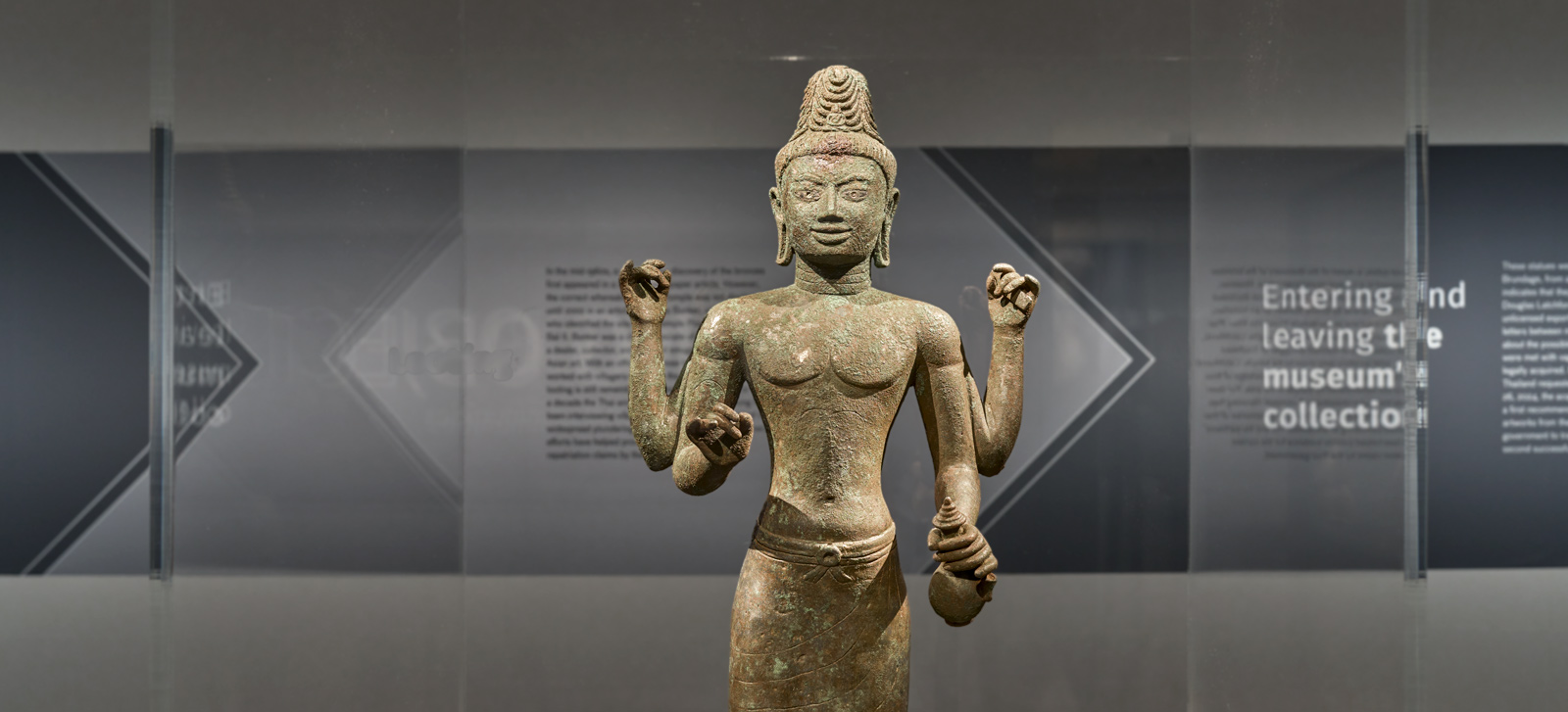
Four ancient artworks are returned to Thailand.
These sculptures have been part of our story for many years, but their rightful place is in Thailand.
— Soyoung Lee
Before entering a museum collection, an artwork may circle the globe, crossing mountains, oceans, and deserts as its ownership changes over time. While most collection objects arrive with verifiable documentation, all require careful investigation. In some cases, it may take decades for hidden histories to come to light.
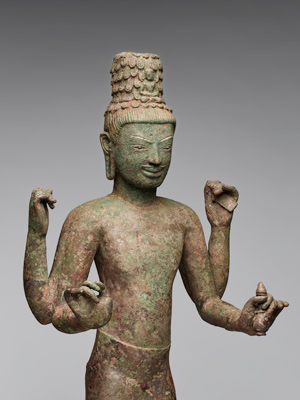
In 2025, the Asian Art Museum completed the return of four ancient bronzes to the government of Thailand. Elegant and serene, these approximately 1,400-year-old sculptures of Buddhist deities were highlights of the museum collection since their acquisition in the late 1960s.
In recent years, experts in Thailand, the U.S. Department of Homeland Security, and the museum’s curatorial team worked together to examine emerging evidence linking the bronzes to indicted art smuggler Douglas Latchford. They concluded that the sculptures had been looted from a Khmer temple complex before entering the international art market.
At an official handover ceremony on December 8, the museum welcomed the Ambassador of Thailand to the United States, H.E. Dr. Suriya Chindawongse; the Thai Consul General in Los Angeles, Mr. Tor Saralamba; and the Executive Director of the National Museums of Thailand, Ms. Nittaya Kanokmongkol.
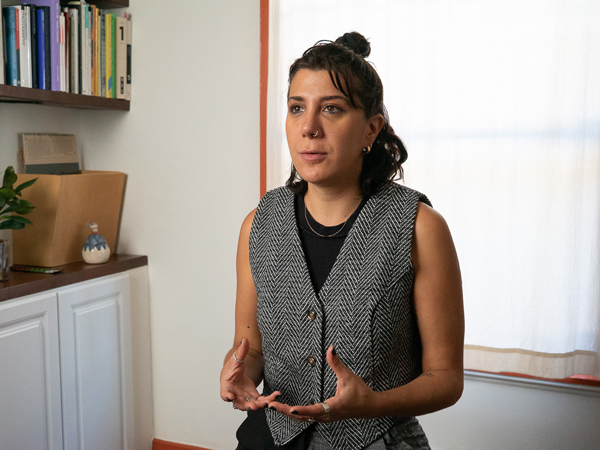
“These sculptures have been part of our story for many years, but their rightful place is in Thailand,” says Soyoung Lee, The Barbara Bass Bakar Director & CEO of the Asian Art Museum. “We are grateful for the partnership that made this return possible, and we look forward to continued collaboration to deepen understanding of the region’s rich artistic traditions.”
The Asian Art Museum is home to one of the world’s largest and most extensive permanent collections of Asian art, with more than 20,000 artworks representing cultures from across the global Asian diaspora. Seeking clarity about each object’s provenance — its origin and record of sale or ownership — is an essential part of ethical stewardship.
As cultural caretakers and scholars, today’s museums must search for truth, not treasure. The process of reexamining and reckoning with the past is active and ongoing.
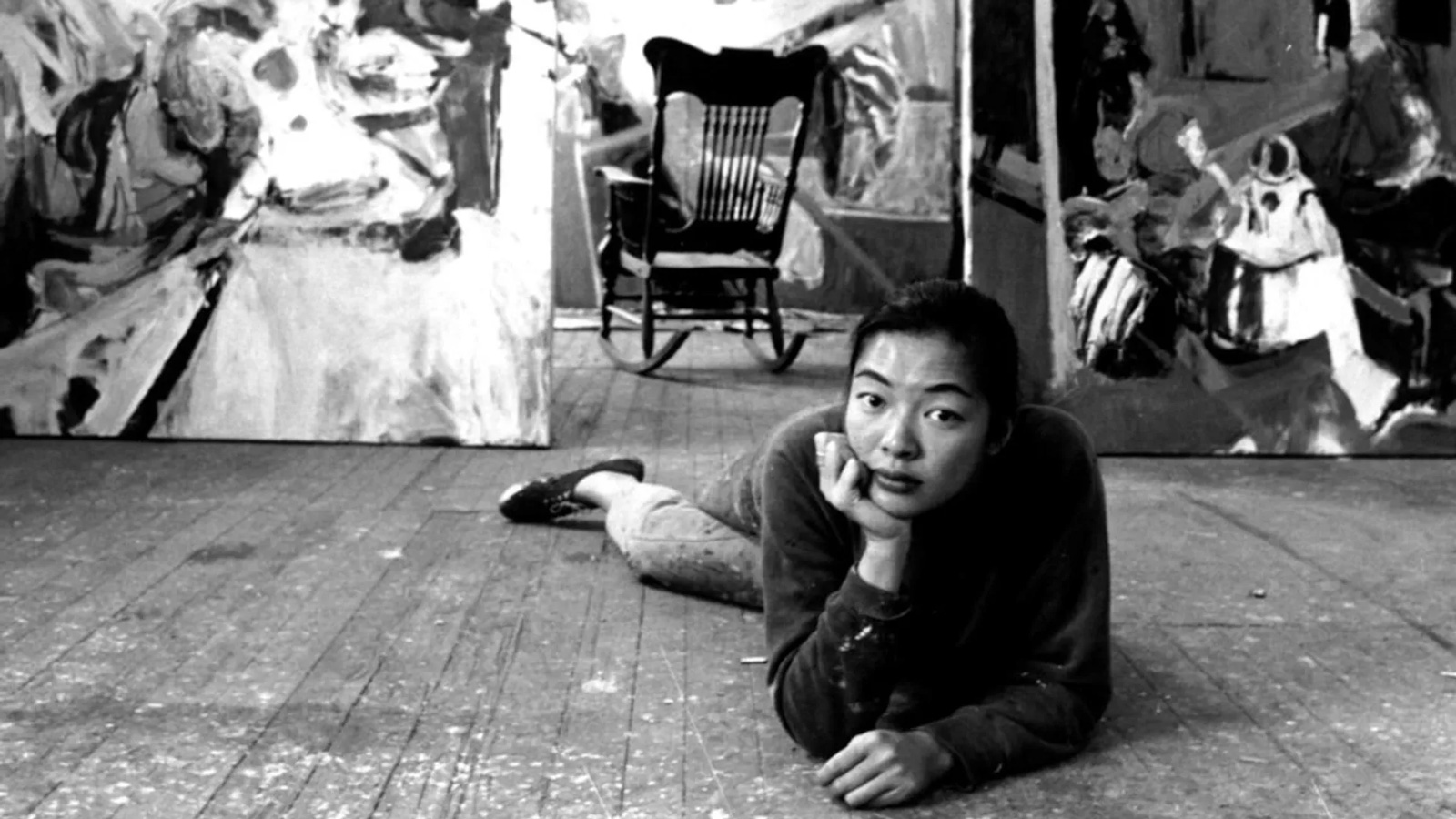
In the words of the great Chinese American artist Hung Liu: “History is not a static image or a frozen story. It is not a noun. Even if its images and stories are very old, it is always flowing forward. History is a verb.”
Learn more about provenance policies and research at the Asian Art Museum.